The Science of Scent: How Fragrance Works on the Body

Fragrance is not magic; it is physics. Once a perfume leaves the bottle, it becomes a volatile solution fighting against four specific forces. Skin Chemistry determines how oils bind to you. The Formula dictates evaporation. The Environment (heat/humidity) acts as the accelerator, and Perception (nose fatigue) filters what you smell.

Skin Chemistry: Why It Smells Different On Everyone

Your skin is the canvas. Oily skin acts like a natural fixative, trapping fragrance oils and slowing down evaporation, which increases longevity. Dry skin lacks this grip, causing top notes to fly off instantly.

While people worry about pH, hydration is the real factor. Moisturizer creates an artificial barrier that mimics natural oils, giving the perfume something to hold onto.

Ultimate Guide to Selecting the Best Perfume for Your Skin Type
Beyond the Sample Strip: Select Fragrance by Chemistry, Not Just Scent
What Makes Organic Body Lotions Stand Out For Extremely Dry Skin?

Projection vs Longevity: The Most Misunderstood Concept

Projection (The Radius)

This is the distance a scent radiates from you. It requires high volatility—molecules flying off the skin into the air. High projection often "burns" the fuel faster.

What is Sillage in Perfumery?

Longevity (The Lifespan)

This is the lifespan of a scent on your skin. It requires low volatility—base notes gripping the skin and resisting evaporation. Slower evaporation means the fragrance stays with you from morning until night.

Why Some Scents Stay and Others Fade?

Diffusion, Heat, and Air: How Scent Moves

Heat is energy. High body heat excites fragrance molecules, creating a massive scent cloud (projection) but burning through the fuel quickly. Moving air strips these molecules away even faster, while spraying clothes bypasses this heat entirely—fabric holds scent for days because it isn't being "cooked" off, though it projects less warmly than skin.

Learn more in our article on How to chose your Fragrance Palettes based on the changing seasons and our article on The Real Reason Your Perfume Doesn't Last or How to Make Perfume Last Longer on Your Skin.

Nose Fatigue: “It’s Gone” Isn’t Always True

If you can't smell your perfume after 20 minutes, it is likely working perfectly. This is called Olfactory Adaptation. Your brain filters out constant, non-threatening smells to save processing power for new signals.

The Test: Don't trust your nose while you are sitting still. Step outside for fresh air, or ask a friend. You are likely leaving a scent trail (sillage) that everyone else can smell, even if your brain has tuned it out.

Read our full guide on Going Nose Blind to Fragrances: Why We Stop Smelling Familiar Scents.

Oil vs Spray vs “Extrait”: What Actually Changes

Perfume Oils (Attars)

No alcohol means no "lift." The scent sits heavy and close to the skin. It lasts significantly longer because it isn't volatile, but it will not project across a room.

What Are Attars A Deep Dive Into the Purest Form of Perfume

Alcohol Sprays (EDP)

Alcohol is a lifting agent. It explodes the scent into the air, giving you that "opening" experience and big projection, but it burns through the fragrance faster.

5 Ways Alcohol Plays a Pivotal Role in Perfumery

Extrait (Concentration)

More oil isn't always better. "Extrait" (30%+) affects density, not just length. Sometimes too much oil makes the scent too heavy to project, suffocating the delicate top notes.

Types of Perfume Scents: A Complete Fragrance Guide

Application: The Highest ROI Change You Can Make

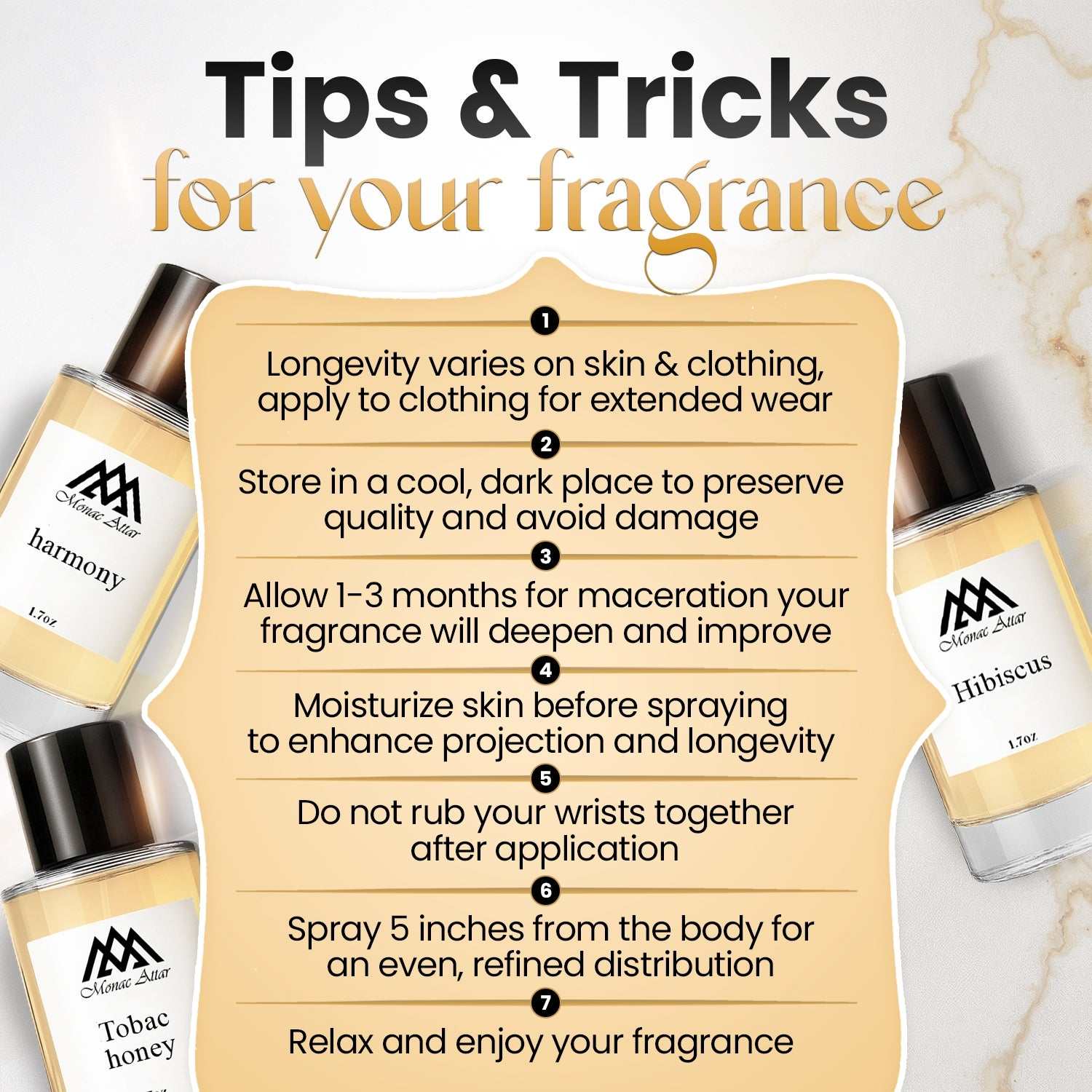
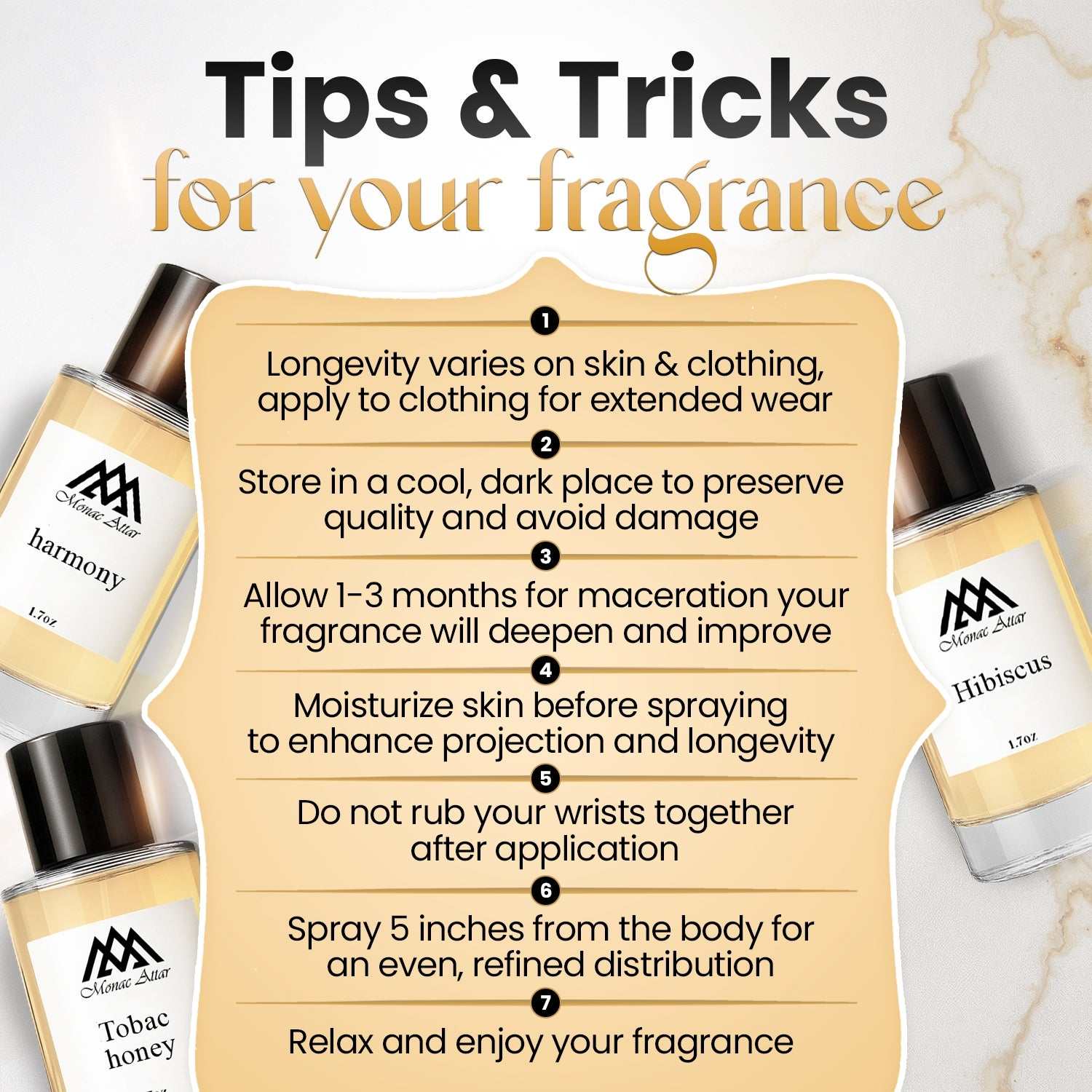
1. Moisturize First (Critical): Fragrance needs a base. Apply unscented lotion to your pulse points 5 minutes before spraying. This creates a "primer" that holds the oil.

2. The 6-Inch Rule: Hold the bottle 6 inches away from your skin. You want a fine mist that covers a wide area, not a wet puddle in one spot.

3. Pulse Points vs. Clothing: Spray your neck and wrists for projection (warmth). Spray your collar or shoulders for longevity (fabric holding).

4. Never Rub: Friction generates heat, which destroys delicate top notes instantly. Just spray and let it air dry.

Recommended By Performance Profile

Long-Lasting / Deep Wear

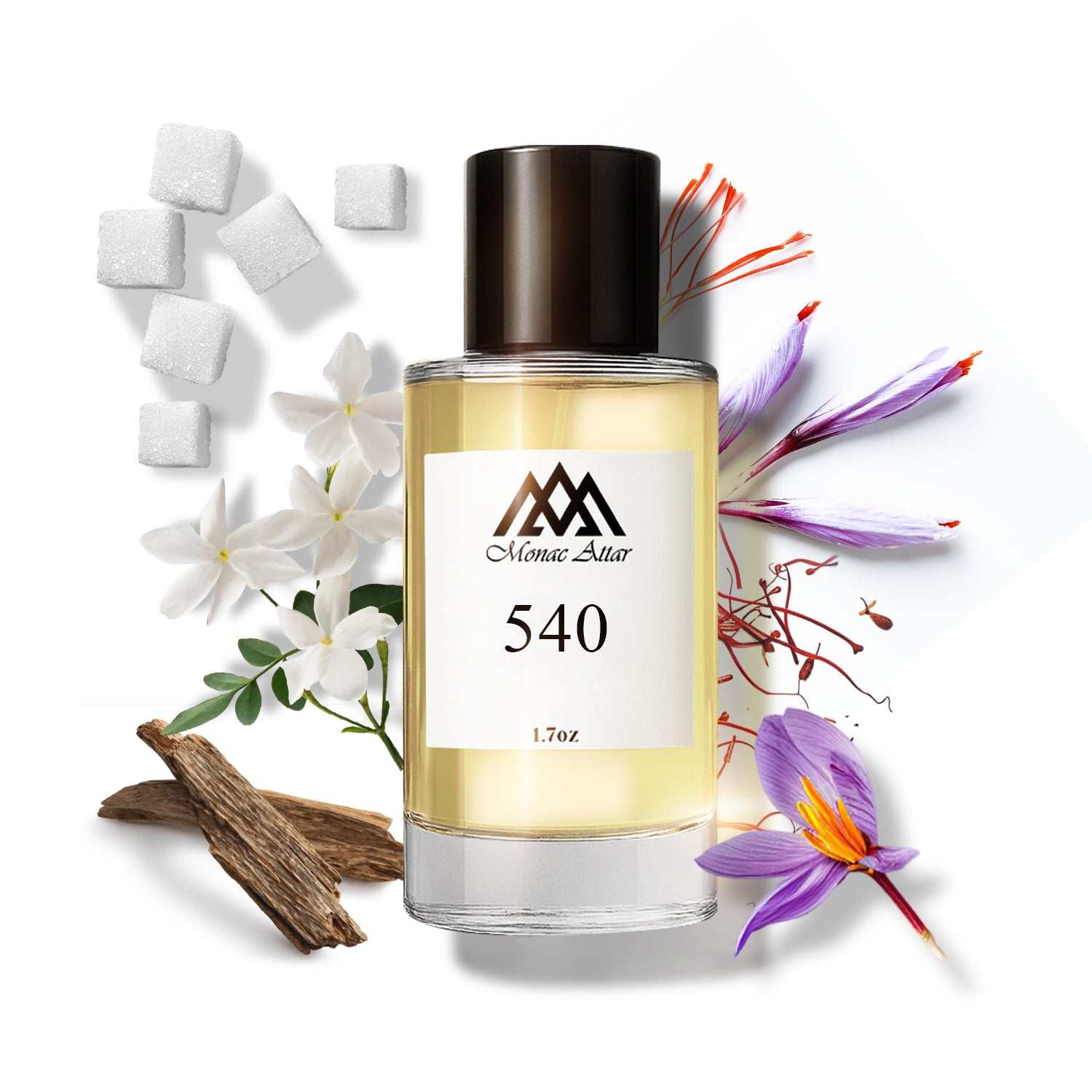
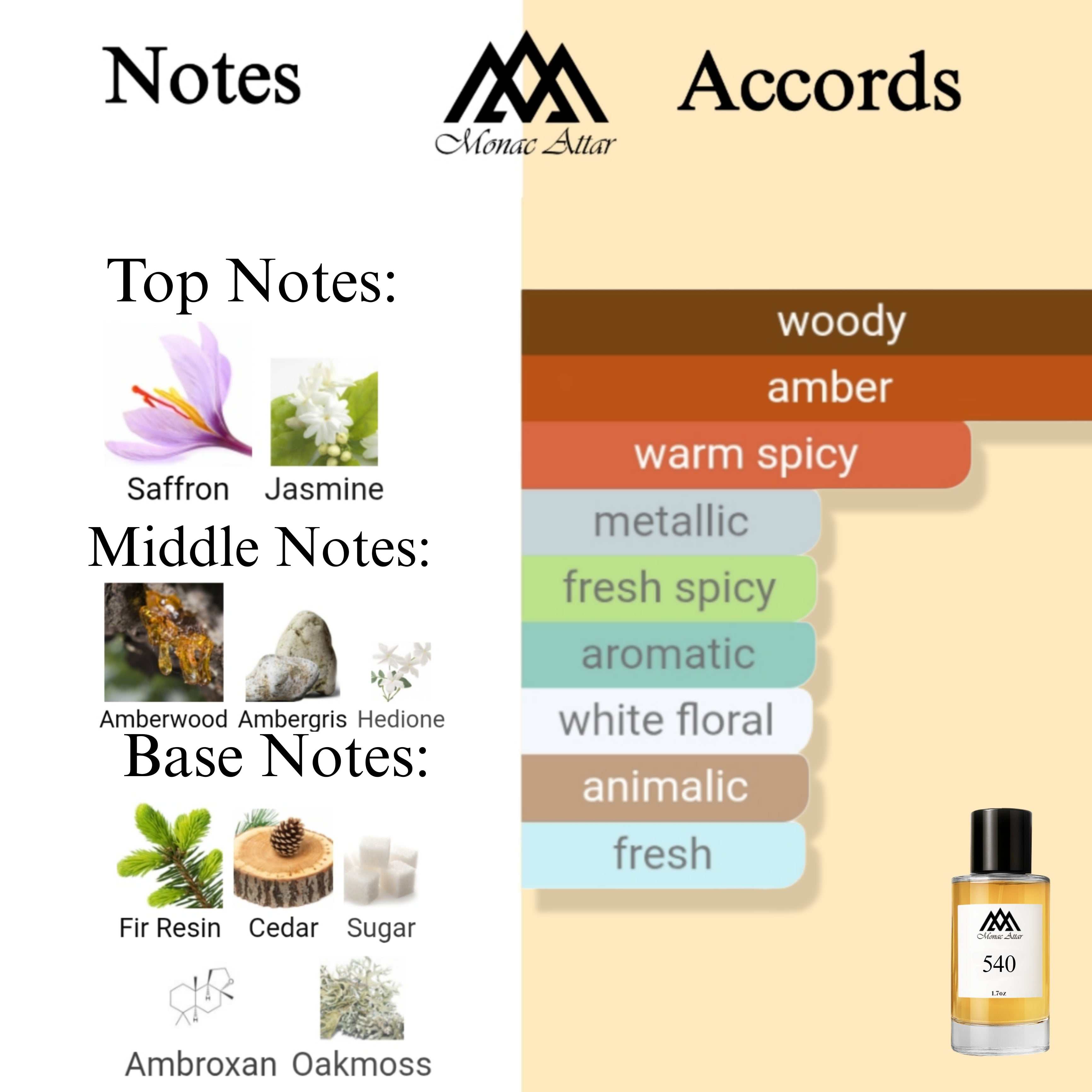
540

540

$35.00

540

$35.00
28 Vanillie

28 Vanillie

$29.99

28 Vanillie

$29.99

High Projection / Loud Presence

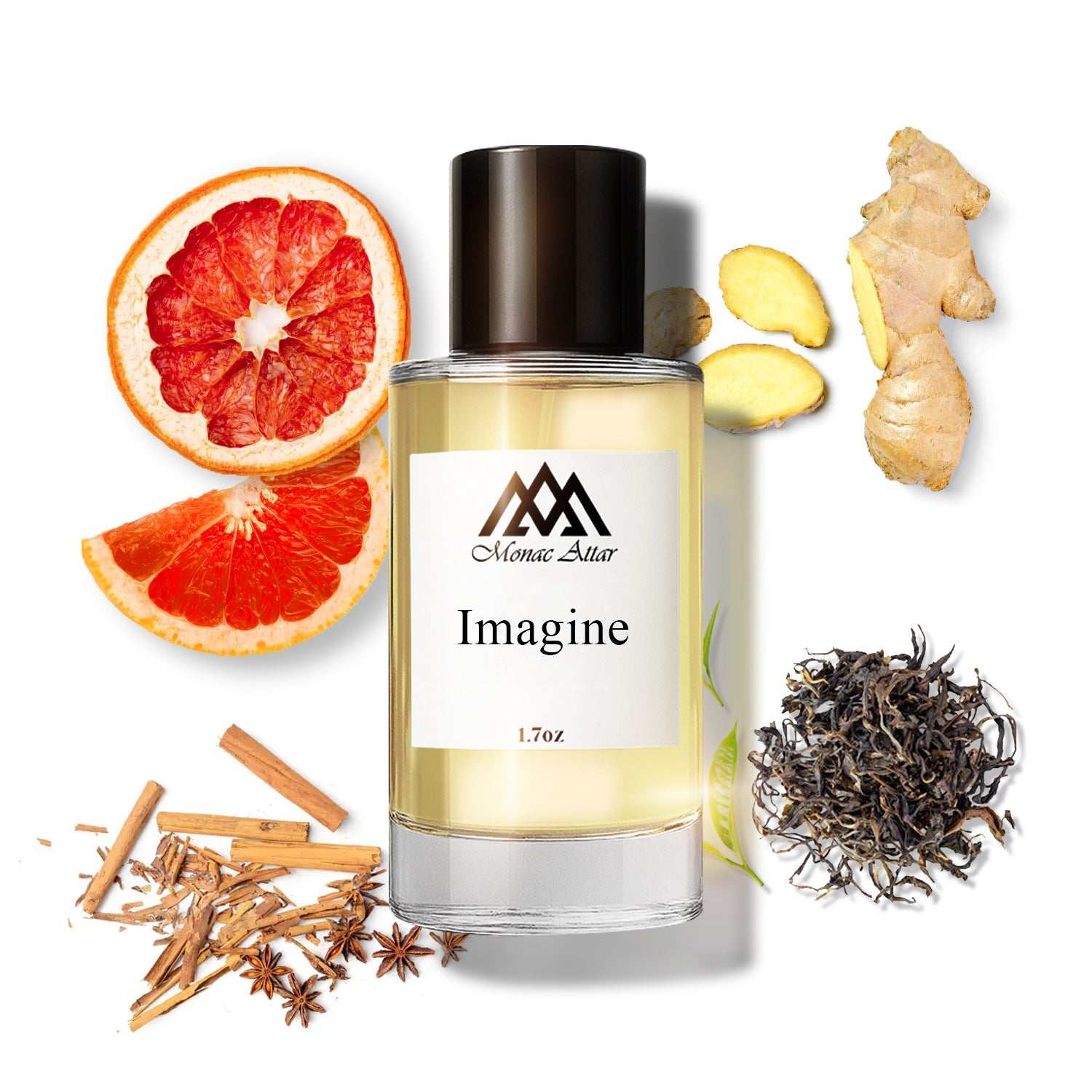
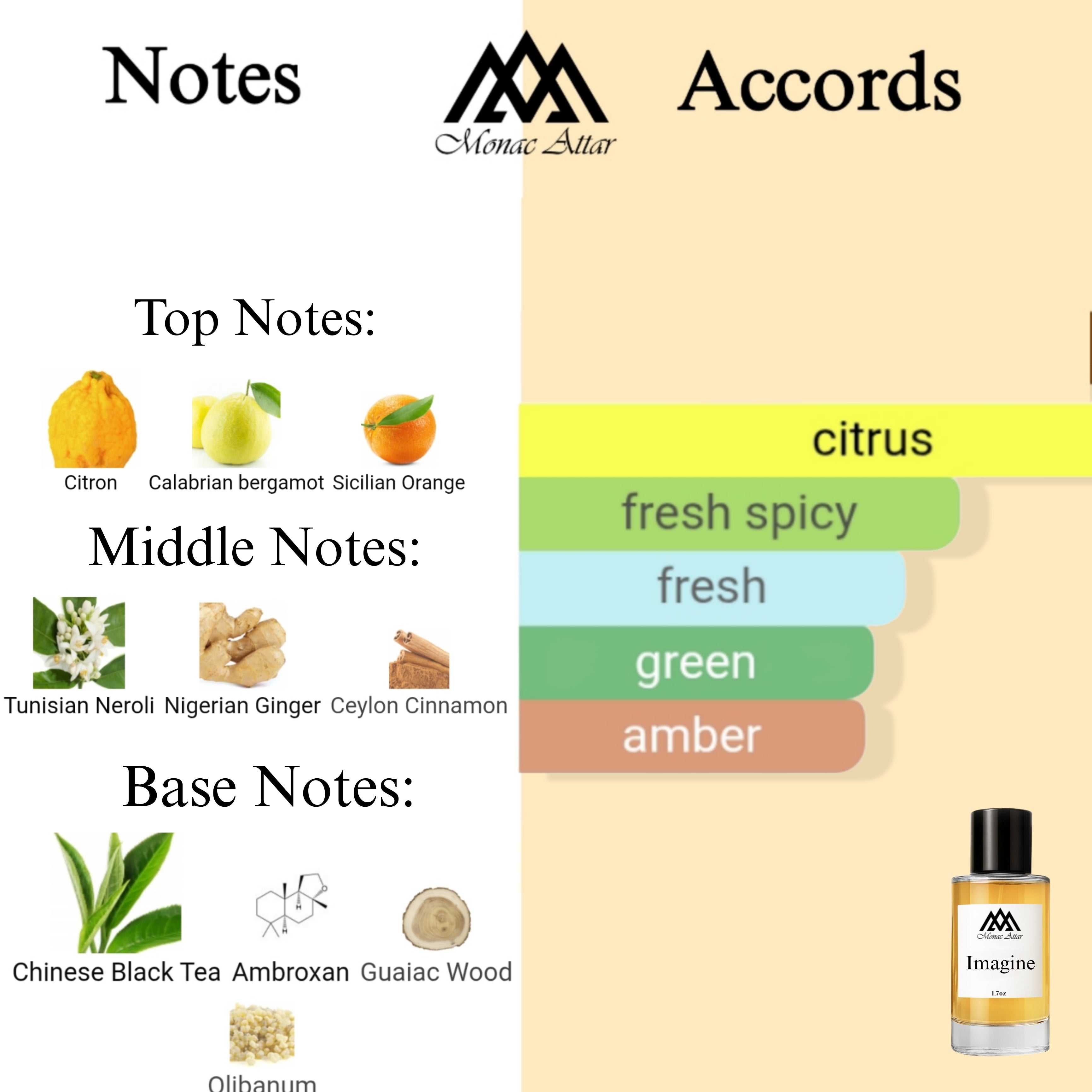
Imagine

Imagine

$35.00

Imagine

$35.00
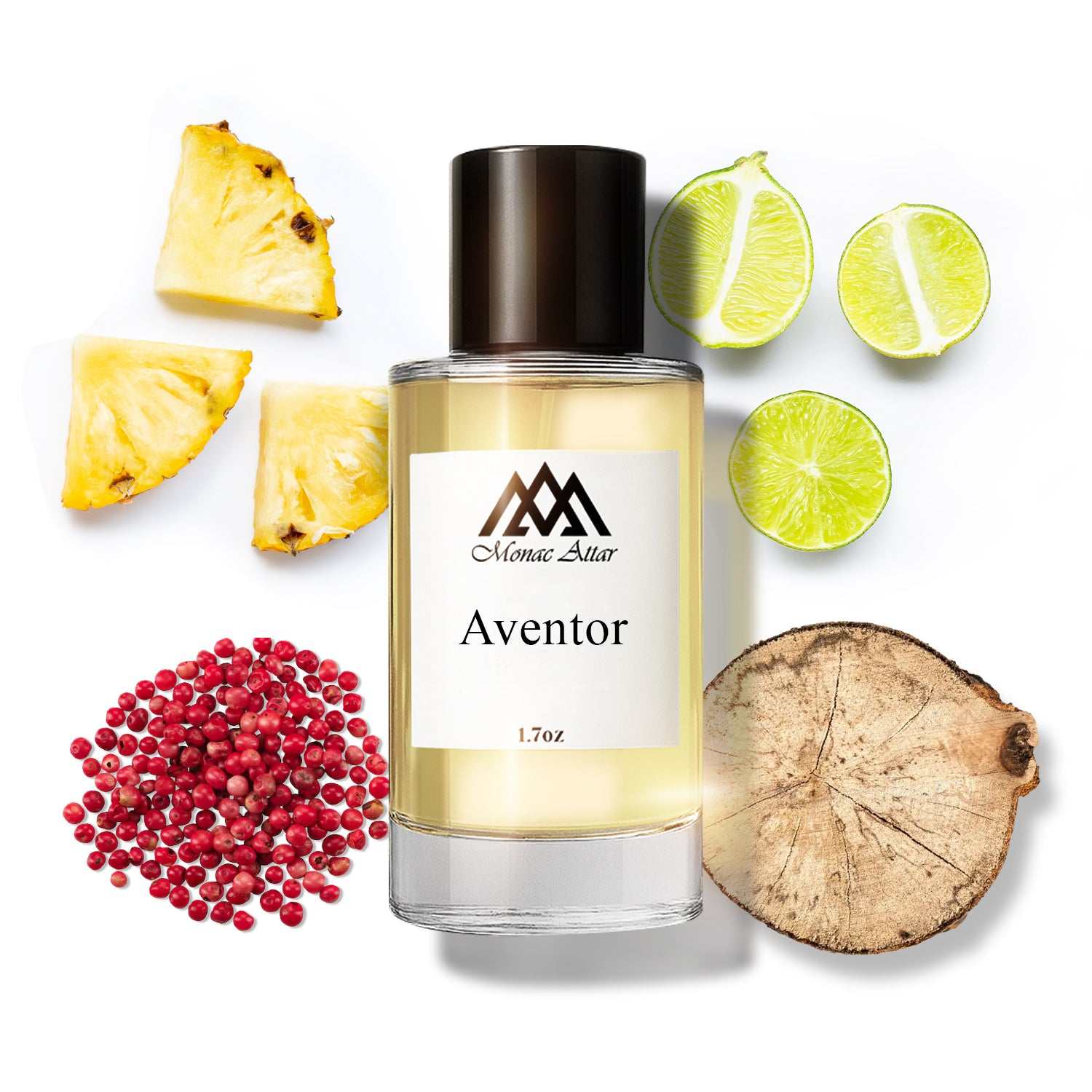
Aventor

Aventor

$29.00

Aventor

$29.00

Skin Scent / Close & Intimate

Theraputic Musk

Theraputic Musk

$29.00

Theraputic Musk

$29.00
Bloom

Bloom

$35.00

Bloom

$35.00

The Real Goal: Choose By Physics, Not Hype

When you understand the mechanics, fragrance stops being gambling. You start choosing scents based on how you live—your skin, your climate, and the presence you want.

“How Fragrance Actually Works on the Human Body”

Why does the same fragrance smell different on different people?

Because skin chemistry, hydration, body heat, and natural oils change how scent molecules evaporate and diffuse.

Does oily skin really make fragrance last longer?

Generally yes. Oils slow evaporation, allowing scent molecules to linger longer on skin.

What is the difference between projection and longevity?

Projection is how far a scent radiates; longevity is how long it remains detectable. One does not guarantee the other.

Why can’t I smell my perfume after a short time?

This is nose fatigue (olfactory adaptation). Your brain filters out constant smells, even if others can still detect them.

Do higher concentrations always last longer?

No. Concentration affects intensity curves, but ingredient quality and skin interaction matter more than labels.

Is it better to spray fragrance on skin or clothes?

Skin allows natural diffusion; clothes retain scent longer. Each produces a different effect.

Does rubbing perfume ruin it?

Rubbing increases heat and friction, which can distort top notes and shorten performance.

How can I make fragrance last longer without overspraying?

Apply to moisturized skin, use proper spray distance, and choose formulas suited to your skin type